Kingston upon Thames removals in Kingston upon Thames

We provide Kingston upon Thames removals for households and local businesses that need a careful, organised move in and around the town. The service is built around practical transport, sensible handling and clear planning, so belongings can be moved with less disruption and more control. Whether you are moving from a flat, a family home, a converted building or a small office, the work is shaped to suit the volume, access and level of preparation involved.
Our removals support covers the core stages of moving day: loading, transport and unloading, with options that can be matched to the contents and the route. We handle individual items, part loads and fuller house moves, and we can also support moves that include furniture, boxes, awkward pieces and mixed household contents. Careful handling matters on narrow stairs, in shared entrances and where access needs to stay orderly.
If you are planning a move and want a clear starting point, begin with a few notes about what needs moving, where it is going and when the change is due. A brief outline is enough to shape an initial discussion. You can then request a quotation once the scope is clearer and decide what level of help suits the job best.
House removals and local moving support
House removals are often about sequence as much as strength. Larger pieces usually need to be moved first, followed by boxes and then smaller loose items, so the load stays steady and rooms are cleared in a controlled way. We approach each move as a practical project, not just a transport run, which means the packing state, furniture size and property layout all influence how the work is organised.
The same approach helps with homes that contain a mix of old and new furnishings. A move may include wardrobes, beds, sofas, dining sets, white goods, lamps, framed items and everyday packed contents. When the job involves several categories of item, it is useful to decide in advance which pieces must travel together and which can be separated for easier handling. That kind of planning keeps the moving day efficient without adding unnecessary complexity.
For many customers, the key decision is how much of the move should be handled by the removals team and how much will be prepared beforehand. Packing can be kept to your own schedule, or supported as a separate task where that suits the move. If you want to compare service levels, the house removals page is a useful place to review the main domestic moving option in more detail.
Packing, access and handling the contents

Packing quality affects how a move feels on the day. Sturdy boxes, sensible weight distribution and clear labelling all help the process stay organised from room to vehicle to new address. Delicate items need extra attention, while books, kitchenware and general belongings are easier to manage when packed by category rather than mixed without a plan. We can work with packed items or with additional packing support where needed.
Access is another important part of moving well. Narrow hallways, shared stairwells, upper-floor flats and limited parking can all influence the order in which furniture and boxes are moved. It helps to know where larger items may need turning, carrying or dismantling before the day begins. If the property has more than one entrance, or if items must travel a longer internal route, that is worth flagging early so the move can be managed realistically.
A simple preparation note can make a big difference: confirm what is going, what is staying, and whether anything needs special handling such as glass, antiques or bulky furniture. If you need a broader overview of packing support, the packing and unpacking services page sets out that part of the work, while your enquiry can focus on the moving arrangement itself.
Domestic moving options for different property types
Not every move calls for the same approach. A one-bedroom flat, a terraced house and a larger family property may all need removals, but the balance of labour, transport space and timing will differ. We adapt the work to the actual contents rather than forcing one standard format onto every job. That makes it easier to keep the move practical, especially where there are stairs, long carries or several rooms of furniture.
Smaller domestic moves can still involve substantial items. A short list of pieces may include a bed frame, chest of drawers, sofa, table, chairs, wardrobes, appliances and boxed belongings, and each item needs sensible protection and loading order. Larger properties may need more than one run or a fuller vehicle plan. The point is not to complicate the job, but to ensure the vehicle and handling method match the contents properly.
For customers comparing service styles, our home moves page describes the broader household moving service, while this page focuses on how that work is handled in Kingston upon Thames. If you are ready to talk through the contents, you can request a quotation once the main items and access details are known.
Furniture, large items and careful loading

Furniture often needs more than simple carrying. Beds may need to be taken apart, wardrobes shifted in sections and heavier items protected against scuffs during transit. Tables, cabinets and sofas can also require careful turning through doorways or along staircases. The aim is to keep each item secure and to avoid rushing the loading process, because rushed loading is where avoidable damage tends to happen.
Loading order matters when the vehicle contains both heavy and fragile items. The heaviest pieces are usually placed to create a stable base, with lighter boxes and delicate items arranged so they do not shift during transport. That is especially useful when a move includes mixed contents from multiple rooms. It also helps to keep similar items together, so unloading at the destination is quicker and less disruptive.
If a move involves just a few bulky pieces rather than a full house, the same care still applies. A single sofa, dining set or bedroom suite can be awkward enough to need proper handling and transport. For furniture-focused work, the furniture pick-up page can help if the main requirement is collection rather than a full household move.
Commercial removals and office relocation support
We also support commercial moves where a business needs desks, chairs, filing, storage units or mixed office equipment moved with minimal confusion. Office relocation work usually depends on good sequencing and clear labelling, because items need to arrive in the right place and in a condition that allows work to continue. That is why commercial removals benefit from a structured approach rather than a purely ad hoc loading process.
Smaller business moves can include a reception area, meeting furniture, boxed records, IT peripherals and compact storage furniture, while larger commercial relocations may call for staged loading and a more detailed plan. In every case, the best results come from deciding what is moving, what needs extra care and what can be disassembled in advance. If the contents are mixed or partly packed, we can work from a practical item list and adapt accordingly.
For a fuller view of workplace moves, the office removals page is relevant, and the office relocation services page can help when the move needs to be planned around business continuity and room-by-room placement. A quotation request should note the type of premises, the size of the move and any access restrictions that may affect timing.
What to include when asking for a quotation

To quote accurately, it helps to know the main contents, the collection and delivery locations, and whether the property has stairs, lifts or awkward parking. A concise description is usually enough to establish the scale of the work. If you have an inventory, photos or a rough list of rooms and large items, that can make the first discussion more precise without requiring a long back-and-forth.
It is also useful to mention any items that need special handling, such as glass, mirrors, antiques, pianos, unusually heavy furniture or goods that must stay upright. If you are comparing dates, let us know whether the move is flexible or tied to a specific completion day, tenancy handover or business changeover. That kind of detail helps shape the moving plan and avoids assumptions that can complicate the job later.
For pricing discussions, the main factors are usually the amount to be moved, the access involved, the distance travelled and whether extra help such as packing or dismantling is required. If you are ready to move forward, pricing and quotes explains the quotation stage in more detail. Otherwise, a simple request for a quote is enough to start the conversation.
Moving van options and the right vehicle for the job
Choosing the right vehicle is part of keeping a move orderly. A vehicle that is too small can mean unnecessary strain on loading, while one that is too large for the contents may add wasted space and poor arrangement. We match the transport to the scale of the removal, so the contents can be loaded in a way that reflects both the volume and the nature of the items involved.
For straightforward local moves, a compact load may suit a smaller van, while fuller household moves benefit from more space and better segregation of items. The vehicle itself is only one part of the plan; loading method, item grouping and route timing all contribute to how smoothly the move goes. Good transport arrangement also reduces the need to repack things at the last minute.
If you are looking at the transport side first, the moving van page outlines one of the vehicle options available, and moving truck is useful when the volume of items calls for a different approach. A quote request can simply note the likely load size and whether the move is a single-property transfer or part of a larger relocation.
About Kingston upon Thames
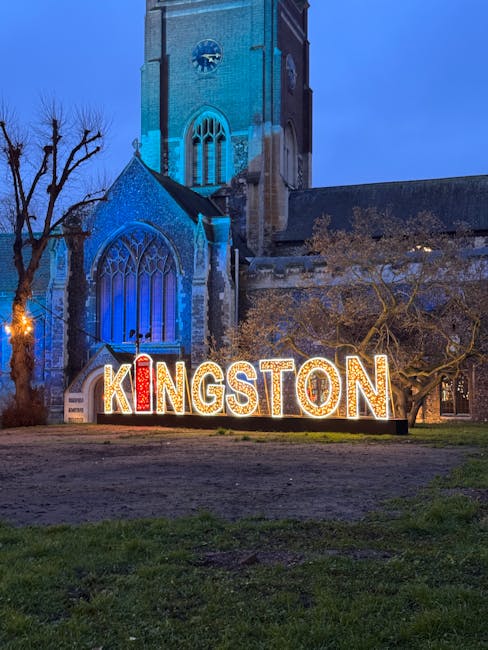
Kingston upon Thames is a historic town in southwest London, set on the north bank of the River Thames where the river curves through a busy urban centre with old streets, civic buildings and a strong commercial core. It is known for its long history as a royal borough, its riverside walks and its town centre that mixes retail, services and leisure uses. The area around Kingston’s central streets brings together older architecture and more modern development, creating a varied streetscape rather than a uniform one. The Marketplace remains one of the town’s best-known open public spaces, while nearby streets contain a mix of independent shops, chain stores and everyday services that shape the local character. The River Thames itself is a major part of the setting, with towpaths, bridges and waterside views that connect Kingston to other parts of the river corridor. Cultural life is supported by venues, community events and the presence of Kingston University, which adds a student population and an academic dimension to the town. The borough name is often used in a wider sense, but the town centre has its own identity, shaped by centuries of settlement, trade and civic importance. Alongside the commercial heart, there are residential districts with terraces, post-war housing and riverside apartments, and this blend of built forms is part of what gives Kingston upon Thames its varied urban feel.
Managing timing, routes and the flow of the move

Good removals work is as much about timing as lifting. Some moves are best handled in one organised flow, while others need the flexibility to load part of the contents first and bring the remainder later. The best arrangement depends on what is being moved, the distance between properties and how predictable the handover is. A sensible plan prevents bottlenecks at the point of collection and avoids crowding the destination with too many items at once.
Route planning can also matter when the move crosses busier roads, passes through central areas or involves several stops. We keep the emphasis on practical transport rather than complicated promises, so the work stays grounded in what is actually required. If you have more than one address involved, say so early: that helps set the load order and avoids confusion when items need to be dropped in a particular sequence.
For moves that need a straightforward transfer, our removals page gives a general overview of the main service family. If you are at the stage of comparing options, this is a sensible time to request a quotation and outline the move in a few clear details.
Additional support for different removal needs
Some customers need a full removal service, while others only need help with part of the move. That can include a furniture move, a house clearance-style collection of selected items, or a one-off relocation of heavier belongings that are difficult to handle alone. The important point is to match the support to the actual task, rather than trying to force every job into the same format.
We also work with customers who want a broader removal-company style service and prefer to understand the available options before deciding what to book. Useful pages include removal services for the general service range, removal company for the business overview, and removal companies if you are comparing the kind of assistance available. Each page supports a different stage of decision-making without overcomplicating the choice.
When you are ready, keep the final note simple: what needs moving, where it is going and when it needs to happen. That gives us the information needed to prepare a practical response and lets you request a quotation with confidence, rather than guessing at the scale of the job.