Kingston Council parking rules for removals and loading
Posted on 18/06/2026
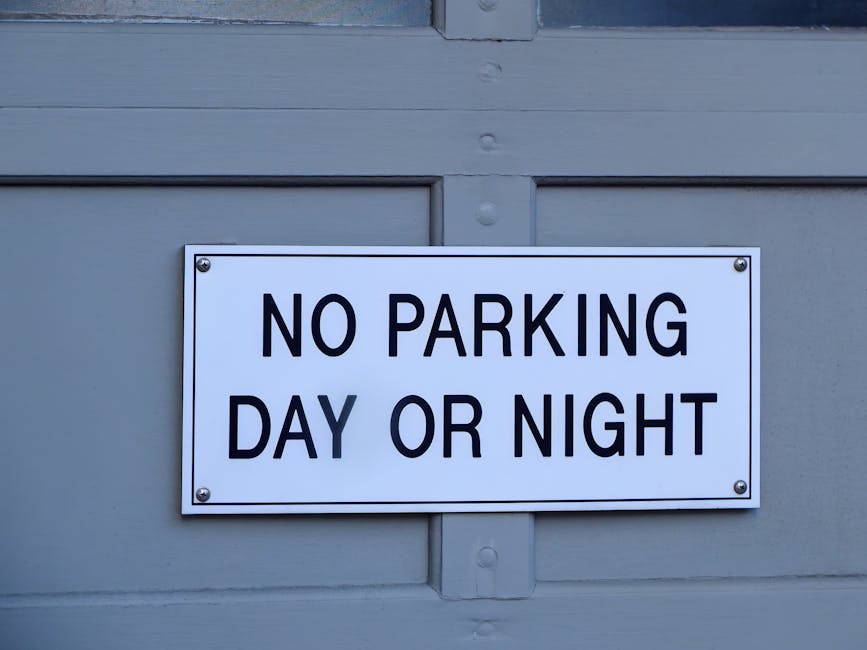
If you are moving house, dropping off heavy furniture, or organising a delivery in Kingston, parking can become the part that quietly derails the whole day. Kingston Council parking rules for removals and loading are there to keep traffic moving, protect residents, and stop loading bays turning into all-day parking spots. But for movers, they also raise very practical questions: where can the van stop, for how long, and what happens if the street is busy? This guide breaks it down in plain English, with the kind of detail that helps you avoid the annoying stuff - the ticket, the delay, the frantic call to the driver who is circling the block.
We will look at how loading and unloading usually works in Kingston, what to check before moving day, how to plan around narrow roads and busy high streets, and where local removals teams fit into the process. If you are trying to keep a move calm and compliant, you are in the right place.
Why Kingston Council parking rules for removals and loading Matters
Parking rules matter because removals are time-sensitive, awkward to pause, and usually involve bulky items that cannot simply be carried from a distant side street. If the van cannot stop close enough, everything becomes slower, riskier, and more expensive. That is true whether you are moving from a flat near the town centre or handling a family move in a quieter residential road.
In Kingston, the challenge is not just distance. It is the mix of controlled parking zones, limited kerb space, busy roads, school runs, market traffic, and residents who quite rightly do not want a large van blocking access for an hour. A small mistake - like assuming a loading bay is fine "for just ten minutes" - can lead to delays or enforcement action. And nobody wants that on moving day. Not at 8:15 in the morning when the kettle is still warm and the sofa is halfway out the door.
Understanding the local rules helps in three ways:
- it keeps your move legal and reduces the chance of parking penalties;
- it lets the removals team work efficiently, which usually means less stress for you;
- it helps you choose the right vehicle and timing for the job.
It is also worth thinking about the wider Kingston context. Streets around busy transport links can be tight, and if you are planning a move near the station area, you may want to read our guide to house removals near Kingston Station for more local movement and access considerations.
How Kingston Council parking rules for removals and loading Works
In practical terms, loading and unloading rules are about where a vehicle can stop, what it can do there, and how long it can stay. The exact details depend on the street, the type of bay, the signs on the road, and whether any suspensions or local restrictions are in place. That sounds obvious, but in real life the sign is everything. The sign beats assumptions every time.
For removals, there are usually a few scenarios:
- Dedicated loading bay: sometimes available for short-term loading only, usually with time limits and conditions.
- Single yellow line or restricted street: loading may be allowed only in certain circumstances and only for active loading or unloading.
- Resident permit or permit-controlled street: stopping may still be possible for loading, but parking for convenience is not the same thing as loading.
- Suspended bay or special arrangement: used when access needs to be reserved, often for larger moves or tight streets.
Here is the key distinction: loading means active handling of goods. It is not the same as leaving the van there while everyone goes upstairs for a cup of tea. Let's face it, that little gap between "we are unloading" and "we are actually parking" is where many problems start.
For some moves, a standard on-street stop is enough. For others, especially in busier parts of Kingston or on narrow roads with poor turning space, a more formal parking arrangement is a safer bet. If you are weighing up vehicle size, check man and van options in Kingston and removal van services to match the vehicle to the street rather than forcing the street to fit the vehicle.
Timing matters too. Morning starts can be smoother in residential areas, while mid-day can be better if school traffic or commuter movement creates pinch points. But there is no one-size-fits-all answer. Truth be told, the best slot is often the one that gives you the least conflict with neighbours, traffic, and any formal parking controls.
Key Benefits and Practical Advantages
When you plan parking properly, a move feels almost boring - in the best possible way. No one is sprinting from the front door to the van. No one is trying to reverse into a gap that is clearly too small. And you are less likely to spend the afternoon dealing with avoidable delays.
The main benefits are straightforward:
- Smoother loading: fewer trips, less lifting, and a shorter time with doors open and boxes exposed to the weather.
- Lower risk of penalties: parking restrictions can be unforgiving if a vehicle is stopped incorrectly, even briefly.
- Better protection for belongings: the quicker the carry, the less chance of damage to items, walls, or stair rails.
- More predictable scheduling: everyone knows where the van is stopping and for how long.
- Less stress for neighbours and building managers: a tidy, planned move tends to draw fewer complaints.
There is also a hidden benefit: confidence. When the parking plan is clear, you can focus on the actual move instead of wondering whether the driver is about to get a ticket. That mental load is not small. It adds up. You feel it when you are carrying a lamp, checking your phone, and trying to remember where you packed the screw bag.
For cost-conscious movers, parking planning can also support budget control. Avoiding fines, wasted hours, and second trips is one of the simplest ways to keep a move efficient. If you want to understand the financial side in more detail, this guide to avoiding hidden moving costs in Kingston is a sensible companion read.
Who This Is For and When It Makes Sense
These rules matter for more people than you might expect. Yes, they are essential for full house moves, but they are just as useful for smaller, time-pressured jobs.
You will likely need to think about Kingston Council parking rules for removals and loading if you are:
- moving from a flat or maisonette with limited road access;
- relocating an office with equipment, desks, or archive boxes;
- bringing in a piano, wardrobe, or heavy furniture item;
- using a same-day removals service with a tight schedule;
- booking a man and van for a quick collection or drop-off;
- organising student removals at the start or end of term;
- managing a move near busier roads or where access is shared.
Sometimes the issue is not the move itself, but the building. Flats with narrow entrances, communal parking courts, or strict concierge rules can be just as challenging as a main road. If that sounds familiar, flat removals in Kingston may be the more relevant service type to consider.
Office moves bring their own wrinkle. You cannot always rely on "we will just pull up outside" when staff, deliveries, and building access all collide. For those situations, office removals support in Kingston can help you think more systematically about access and timing.
Step-by-Step Guidance
If you want the move to run cleanly, plan the parking side first, not last. Here is a practical sequence that works well in the real world.
- Check the street outside both properties. Look for loading bays, yellow lines, permit signs, time limits, and any road markings that change the rules.
- Assess the vehicle size. A smaller van may fit into tighter spaces and reduce the chance of blocking traffic. A larger vehicle might need a more deliberate parking arrangement.
- Confirm whether loading is active only. If items are not being moved, the stop may no longer count as loading. That simple detail matters a lot.
- Plan the load order. Put the first items near the door and the last items deeper in the property. Saves time. Saves legs too.
- Assign one person to watch the vehicle and the street. Not glamorous, but genuinely useful when cars are passing or pedestrians are squeezing through.
- Prepare a fallback option. If the nearest bay is unavailable, know the next best place to stop before the van arrives.
- Keep documents handy. If you have a booking confirmation, permit reference, or building instructions, have them ready and easy to show.
A practical move often starts with choosing the right removal partner. If you need a fuller view of local services, our removal services overview and services overview are useful starting points.
One small, easily missed step: walk the route from van to front door. You will spot low branches, steps, awkward kerbs, and doors that swing inward in the worst possible direction. That tiny five-minute walk can save half an hour later. It really can.
Expert Tips for Better Results
After enough moves, certain habits stand out. The people who stay calm are not lucky; they are prepared.
- Use the shortest carry route possible. It sounds obvious, but people often focus on the van and forget the inside path from hall to vehicle.
- Protect the pavement and thresholds. On a wet Kingston morning, cardboard and floor protection stop slippage and scuffing. Handy little thing.
- Keep a "grab box" for essentials. Keys, phone charger, snacks, kettle items, medicines, tape. You do not want these buried under the crockery.
- Match the booking to the street conditions. Some roads are fine for a standard van; others work better with a smaller vehicle or two-trip plan.
- Ask about access before moving day. If a building has gates, coded entry, or awkward timing rules, bring that into the plan early.
- Build in a buffer. A little extra time can be the difference between a tidy loading stop and a rushed, messy one.
To be fair, this is where experienced local movers earn their keep. They know how quickly a narrow Kingston road can turn into a bottleneck, and they know that "just stop there" is not always a workable plan. If you need more specialised handling for delicate or heavy pieces, furniture removals in Kingston and piano removals support are worth considering.
And yes, a well-packed move matters too. Good packing makes loading faster, and faster loading is what parking rules are really trying to support. If you want a better setup, packing and boxes guidance can help you get the basics in order.

Common Mistakes to Avoid
The biggest mistakes are usually simple ones. That is the frustrating part. They are not dramatic failures; they are small oversights that snowball.
- Assuming loading is always allowed. It is not. Signs and local restrictions control the situation.
- Parking first, loading later. If the van is stationary but the move has not really started, enforcement can become an issue.
- Ignoring residents and neighbours. Blocking access, even briefly, can create avoidable tension. A quick heads-up goes a long way.
- Choosing a vehicle that is too large. Bigger is not always better. In narrow streets, it can be a mistake.
- Not checking both ends of the move. The old address and the new one can have very different parking situations.
- Leaving the plan until the van arrives. That is when the day starts slipping.
Another one: forgetting that a council restriction can apply differently at different times of day. A bay that works at 11:30 a.m. may not be available later, or vice versa. If you have ever watched a move go sideways because the driver had to circle the block twice, you will know why this matters.
If you are comparing providers, it can help to look at how they communicate about access and planning. Pages like removal companies in Kingston and local movers can give you a feel for how different services are positioned.
Tools, Resources and Recommendations
You do not need a huge toolkit, but a few practical items make a difference.
- High-visibility parking notes for building management or neighbours where appropriate.
- Printed or saved move instructions for the driver, especially if access is behind a building or through a courtyard.
- Floor protection and blankets to reduce slip and damage risk during loading.
- Tape, labels, and a marker so boxes stay organised and the load order stays logical.
- Phone battery backup because the one time you need to call the driver, your battery will be at 9%.
For booking and planning, it is wise to review practical business information too. pricing and quotes, payment and security, and insurance and safety can all matter when you are choosing a removal provider.
If you are moving on a tighter budget or need a smaller-scale service, affordable man and van removals in KT1 and KT2 areas may be helpful to compare alongside man with a van services and home removals.
For larger or more time-sensitive jobs, especially if the schedule has already become a bit messy, same-day removals and same-day availability and rates are worth reviewing early rather than late.
Law, Compliance, Standards, or Best Practice
For parking and loading, the safest mindset is simple: follow the signs, follow the street markings, and do not assume that "loading" gives unlimited freedom. In UK local parking practice, loading usually needs to be genuine, continuous, and reasonable for the task. If there is a loading bay, the conditions attached to it matter. If there is a restriction, the burden is on the driver and mover to stay within it.
Because rules can vary by street and change over time, it is better to treat any move as site-specific rather than rely on memory from a previous job. Kingston Council parking controls, like those in many London boroughs, are not a one-size-fits-all arrangement. What works in one road may fail in the next. Annoying, yes. But that is the reality.
Best practice is to plan conservatively:
- use the smallest practical vehicle that still handles the job safely;
- keep loading active and organised;
- avoid overstaying in bays or restricted areas;
- make sure the mover understands the access plan before arrival;
- prepare a contingency route if the first stopping point is unavailable.
It is also sensible to think about safety alongside compliance. Good lifting, secure loading, and controlled access reduce the risk of injury and damage. If you want a stronger sense of the standards a reputable team should be working to, health and safety policy information and company responsibility commitments can offer useful reassurance about how a business presents itself.
One more small thing: if you are moving in a busy area around town centre streets, building access, or transport links, plan for pedestrians and cyclists too. Good removals planning is not just about your van. It is about the whole street behaving well for an hour. Which, admittedly, is asking a lot.
Options, Methods, or Comparison Table
Different move types need different parking strategies. Here is a simple comparison that often helps people decide what level of planning they need.
| Approach | Best for | Pros | Watch-outs |
|---|---|---|---|
| Standard kerbside loading | Short, light moves with clear access | Quick, simple, often enough for small jobs | Needs active loading and a suitable stopping place |
| Loading bay use | Moves near permitted loading areas | Usually designed for short-term unloading | Time limits and conditions can be strict |
| Pre-arranged parking plan | Busy roads, flats, larger house moves | More predictable, better for bulky items | Requires more coordination in advance |
| Smaller vehicle or man and van | Tight streets, smaller loads, student moves | Easier to place, often more flexible | May need extra trips for bigger loads |
If you are moving from a property close to active areas or busy public spaces, it can also help to think about the location itself. Kingston's mix of housing, shops, and riverside streets means access can vary a lot from one postcode pocket to the next. For broader local insight, the Kingston property market and local tips on living in Kingston provide useful context.
Case Study or Real-World Example
Picture a fairly ordinary Saturday morning move from a first-floor flat in Kingston. Nothing dramatic. Just a couple of bedrooms, a sofa, a dining table, and a lot of boxes that looked lighter before they were sealed.
The first plan was to park right outside the building. But the street was narrow, with limited room for a full-size van and a resident-controlled section nearby. Instead of forcing the issue, the team used a smaller van and positioned it a little further down the road where loading was more realistic. One person stayed with the vehicle, the other two handled the carry. It was not glamorous, and there was a short wet patch on the pavement that morning, but the move stayed orderly.
What made the difference? Not speed, actually. It was clarity. The crew knew where the van would stand, how long the loading would take, and what to do if another car came through. The customer did not have to keep asking, "Is this okay?" every five minutes. That alone made the day feel easier.
The same idea applies to larger, more complicated moves. If the road is awkward, plan for the road. If the bay is limited, plan for the bay. If the property has special access, plan for that too. Boring planning is often the reason a move feels surprisingly smooth. There is a lesson in there somewhere.
Practical Checklist
Use this before moving day. It is simple, but it saves mistakes.
- Check signs, bays, yellow lines, and any street-specific restrictions at both addresses.
- Confirm the vehicle size and whether it can fit safely without blocking access.
- Make sure the load route from property to van is clear and measured in real steps, not guesses.
- Prepare any building instructions, access codes, or neighbour notices in advance.
- Pack essentials separately so you are not hunting for them later.
- Decide who will supervise the van and loading process.
- Allow extra time for delays, stairs, or awkward lifts.
- Keep a backup stopping point in mind if the first option is unavailable.
- Review insurance and safety expectations with your mover.
- Check the final arrangements the day before, not just on the morning.
Expert summary: the safest way to manage Kingston Council parking rules for removals and loading is to treat parking as part of the move plan, not a side issue. Match the vehicle to the street, keep loading active and organised, and always leave yourself a fallback. That simple approach prevents most of the headaches people usually blame on "bad luck".
Get a free quote today and see how much you can save.
Conclusion
Kingston Council parking rules for removals and loading are not just bureaucratic fine print. They shape how smoothly your move starts, how safely your belongings are handled, and how much stress lands on your shoulders. Once you understand the basics - the difference between loading and parking, the importance of signs, and the value of a realistic access plan - the whole process becomes much easier to manage.
That is really the goal: fewer surprises, fewer delays, and a move that feels controlled rather than chaotic. If you plan well, even a busy Kingston street can be handled neatly. And when moving day finally settles down, there is a particular relief in hearing the van door shut and knowing everything worked as it should. Small victory, but a real one.